
Operational systems
Software shaped around core business processes and responsibilities.
Purpose-built systems that replace fragmented processes, connect information, and support the way your organisation actually works.
Off-the-shelf software is useful until the organisation has workflows, data, or responsibilities that no longer fit it. Custom software can bring those processes into one clearer system and reduce repeated manual handling.
We begin with the operation, not the technology. By mapping users, rules, information, exceptions, and integrations first, we can design a focused system with an architecture proportionate to the real need.
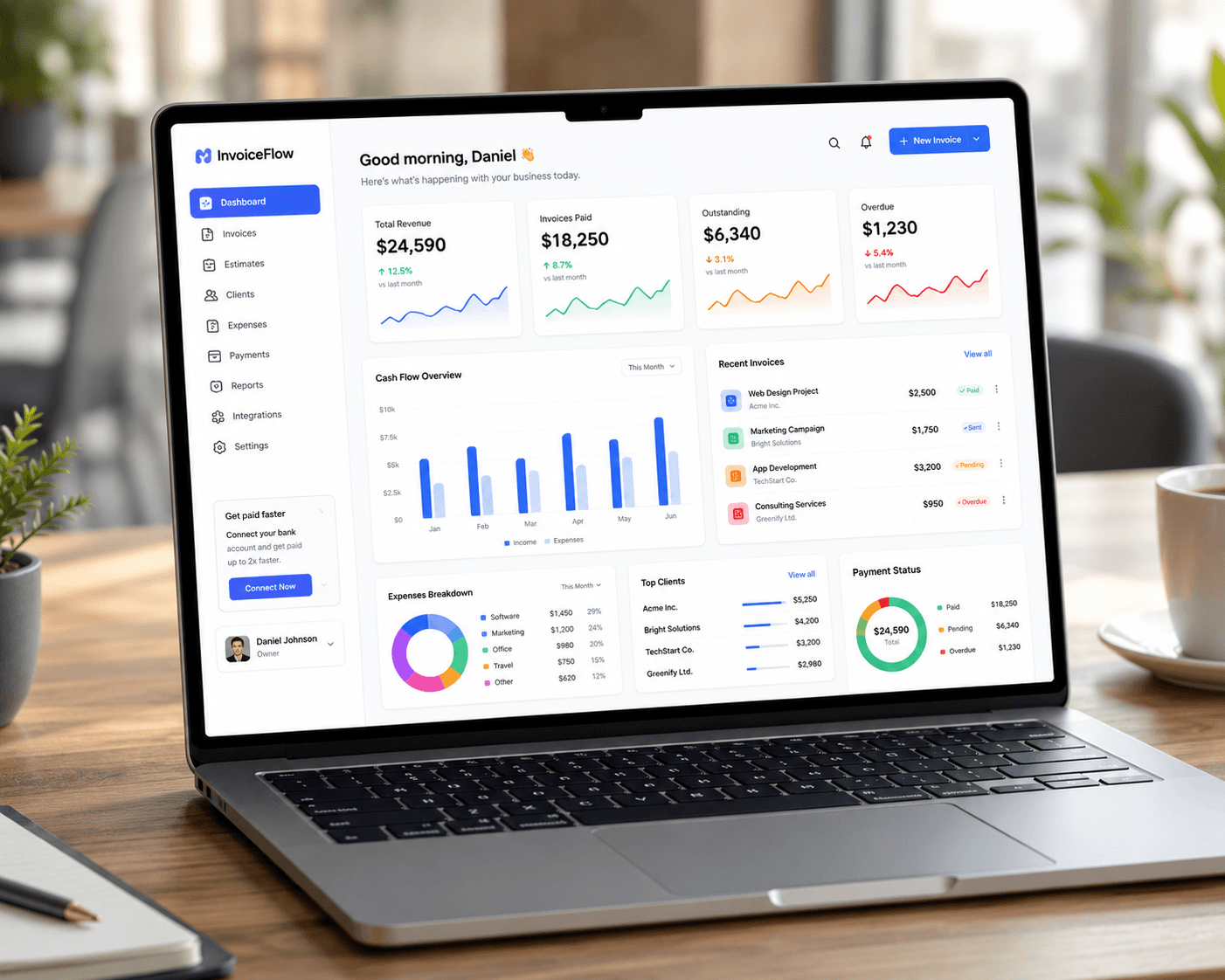
The scope is shaped around the problem, users, and priorities—not a fixed package of unnecessary features.
Software shaped around core business processes and responsibilities.
Structured actions and integrations that reduce repetitive manual steps.
Central records with practical search, permissions, status, and history.
Focused interfaces that help teams complete specialised work efficiently.
Useful operational views and exports built from connected information.
Appropriate connections between existing tools and new workflows.
Final deliverables are confirmed during scoping and adapted to the needs of the engagement.
Teams whose work no longer fits generic software or disconnected tools.
Companies formalising processes as people, services, and data increase.
Businesses with unique rules, records, approvals, or reporting requirements.
Organisations moving beyond paper, email chains, and spreadsheet dependence.
Purposeful workflows remove avoidable duplication and repeated data handling.
Shared status and reporting make activity easier to understand.
The system supports the business rather than forcing work around generic constraints.
A planned architecture provides a sound basis for future modules and integrations.
Map current work, users, data, bottlenecks, exceptions, and desired outcomes.
Prioritise requirements and define a sensible first release.
Plan architecture, data, permissions, integrations, and interface flows.
Develop in stages and test against real workflows and edge cases.
Deploy, document, support users, and improve from operational feedback.
It becomes worth considering when generic tools create significant workarounds, duplicate data, cannot support important rules, or limit a process central to the business.
Often, yes. Feasibility depends on the existing provider, available APIs, security requirements, and quality of the source data, all of which are reviewed during discovery.
Yes. Roles and permissions can be designed around what different users need to view, create, approve, or manage.
We need a clear product boundary and priorities, but not every future feature. A phased approach lets the core system be validated before broader expansion.
We can agree an ongoing support plan covering monitoring, fixes, infrastructure, security updates, user feedback, and planned enhancements.
Tell us what you need from custom software, and we’ll help you shape a focused way forward.